
Planning a corporate event in Raleigh, Durham, or the surrounding Triangle area involves a lot of moving parts. From coordinating speakers and managing schedules to organizing venues and vendors, there's plenty to think about before the first guest arrives.
One detail that's easy to overlook is photography.
Professional corporate event photography does more than document who attended. It captures the energy of your event, highlights your company's brand, and creates valuable visual content you can use long after the event is over.
Whether you're organizing a corporate conference, networking reception, awards ceremony, or company celebration, this corporate event photography checklist will help you plan for the images that matter most.
1. Create a Corporate Event Photography Shot List
A photography shot list helps ensure that important moments, people, and branding opportunities aren't missed.
While an experienced event photographer will naturally look for compelling moments, having a clear list of priorities is especially helpful when your event has a packed schedule.
Essential Corporate Event Photography Shot List
Venue and Event Details
Exterior and interior venue photographs
Event signage and welcome displays
Branded backdrops and sponsor logos
Registration and check-in areas
Room setups before guests arrive
Table decorations and event materials
Speakers and Presentations
Keynote speakers on stage
Panel discussions and moderators
Speakers interacting with the audience
Audience reactions during presentations
Wide-angle photographs showing the full room
Important award presentations or announcements
Networking and Candid Moments
Attendees greeting one another
Natural conversations between guests
Small-group discussions
Audience engagement
Business networking interactions
Candid moments that capture the atmosphere
Team and Group Photography
Leadership team portraits
Staff and volunteer group photographs
Speaker and panelist group photos
Sponsor and partner photographs
Award recipients with company leadership
Branding and Marketing Content
Company logos incorporated into the event
Branded presentations and displays
Attendees interacting with products or demonstrations
Images with negative space for future marketing graphics
Vertical images for social media
Horizontal images for websites and press releases
Pro Tip: Identify your five most important photographs before the event. Share those priorities with your photographer so they're covered even if the schedule changes.


2. Build Photography Into Your Event Timeline
One of the most common event photography challenges is trying to capture everything within a limited amount of time.
A photography timeline helps your photographer anticipate important moments, move between locations, and capture both scheduled activities and candid interactions.
Important Scheduling Considerations
Allow time before guests arrive. Empty-room photographs are valuable for showing the venue, branding, and event setup without crowds blocking the details.
Share the final agenda. Providing your photographer with speaker schedules, presentation times, and room assignments helps prevent missed moments.
Identify VIPs and key speakers. If certain individuals need to be photographed, let your photographer know who they are and when they'll be available.
Plan group photos intentionally. Trying to organize a large group spontaneously can disrupt the event. Schedule these photographs in advance.
Build in flexibility. Conferences and corporate events rarely run exactly on schedule. A photographer who understands the event's priorities can adapt when things change.
3. Consider Lighting Before the Event
Lighting has a significant impact on corporate event photography, particularly in conference rooms, hotels, ballrooms, and indoor meeting spaces.
Many corporate venues use a combination of overhead lighting, natural window light, and colored stage lighting. These environments can create challenges that aren't always obvious to event organizers.
Conference and Meeting Room Lighting
Conference rooms often have uneven or relatively dim lighting.
Professional camera equipment and appropriate lighting techniques help produce sharp, natural-looking images while minimizing distractions during presentations.
For keynote speakers and panel discussions, it's important to preserve the atmosphere of the room without interrupting the presentation.
Stage and Presentation Lighting
Stages can be particularly challenging because speakers may be brightly lit while the audience sits in near darkness.
A photographer needs to balance these differences to capture clear images of speakers, presentations, and audience reactions.
If possible, coordinate with your venue's audiovisual team to understand how stage lighting will be configured.
Networking Receptions and Evening Events
Networking receptions often feature decorative lighting, dim interiors, and mixed light sources.
These conditions may require additional lighting equipment, particularly for posed group photographs.
A professional photographer should know when supplemental lighting will improve the image and when it might disrupt the event's atmosphere.
Group Photography Lighting
If you're planning leadership portraits or team photographs, identify a suitable location in advance.
Ideally, the space should offer:
Consistent, flattering lighting
Enough room for the group
A clean, uncluttered background
Minimal interruptions from other event activities
Pro Tip: Ask your photographer about lighting requirements during the planning process, especially if your event includes evening receptions or formal group photographs.
4. Think About How You'll Use the Photos Afterward
Corporate event photographs are valuable marketing assets.
Before the event, consider where your organization will use the images.



Website and Blog Content
Photographs of speakers, attendees, and event activities can help illustrate company news, conference recaps, and future event announcements.
Social Media
Vertical and square-friendly compositions work well for platforms such as Instagram and LinkedIn.
Candid networking photographs and engaging speaker images can help communicate the atmosphere of your event.
Press Releases and Public Relations
High-quality photographs can support announcements about conferences, company milestones, awards, and community initiatives.
Internal Communications
Corporate event photography can also be useful for employee newsletters, company presentations, and internal recognition programs.
Future Event Promotion
Images from a successful conference or networking event can become some of your strongest marketing materials when promoting next year's gathering.
Pro Tip: Let your photographer know your intended uses in advance. This helps them capture a useful variety of wide, close-up, horizontal, and vertical compositions.
5. Real-World Example: Corporate Conference Photography in Durham, NC
At Lomax Photo, I've had the opportunity to photograph corporate and professional events throughout the Raleigh–Durham area.
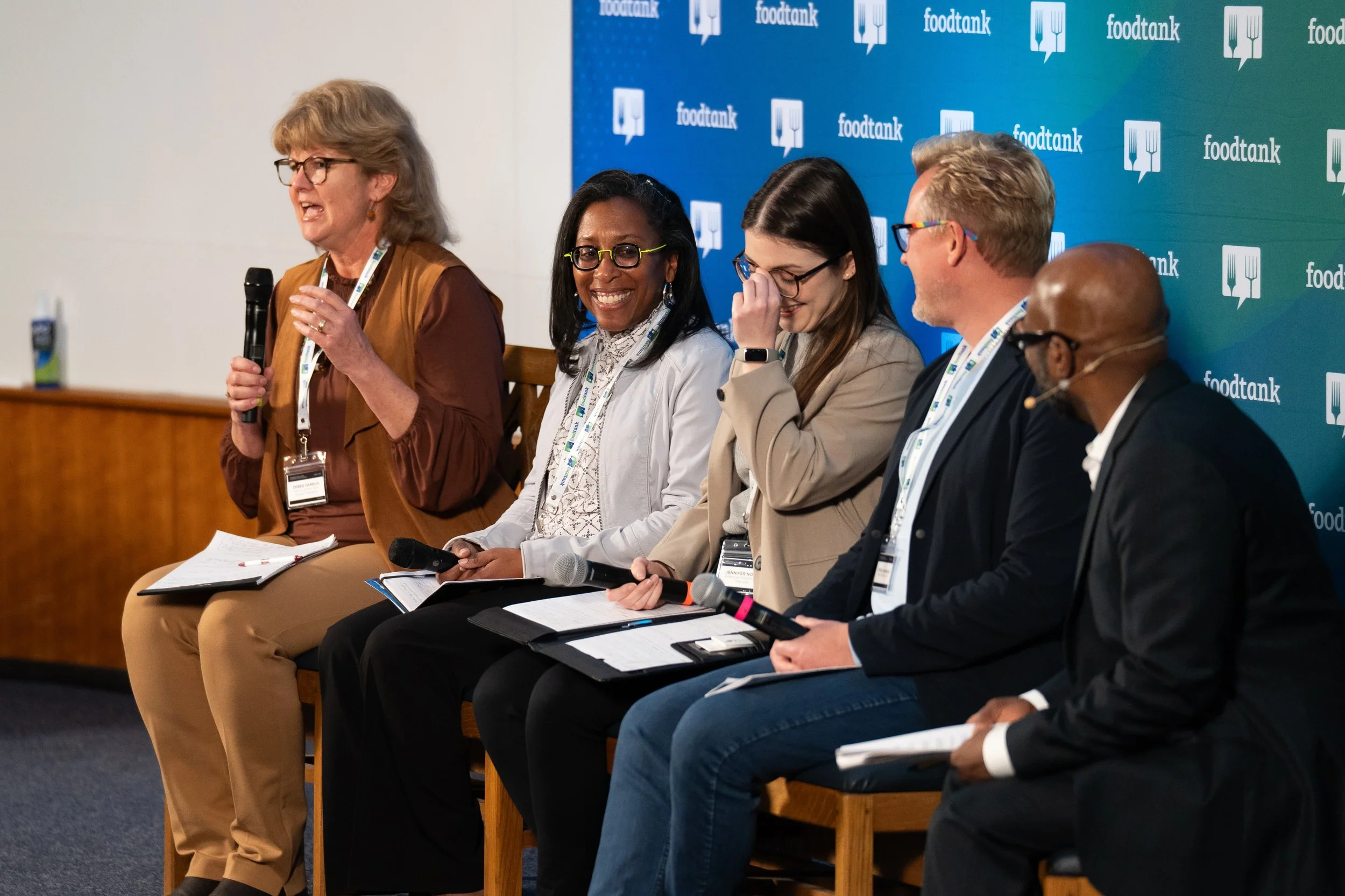
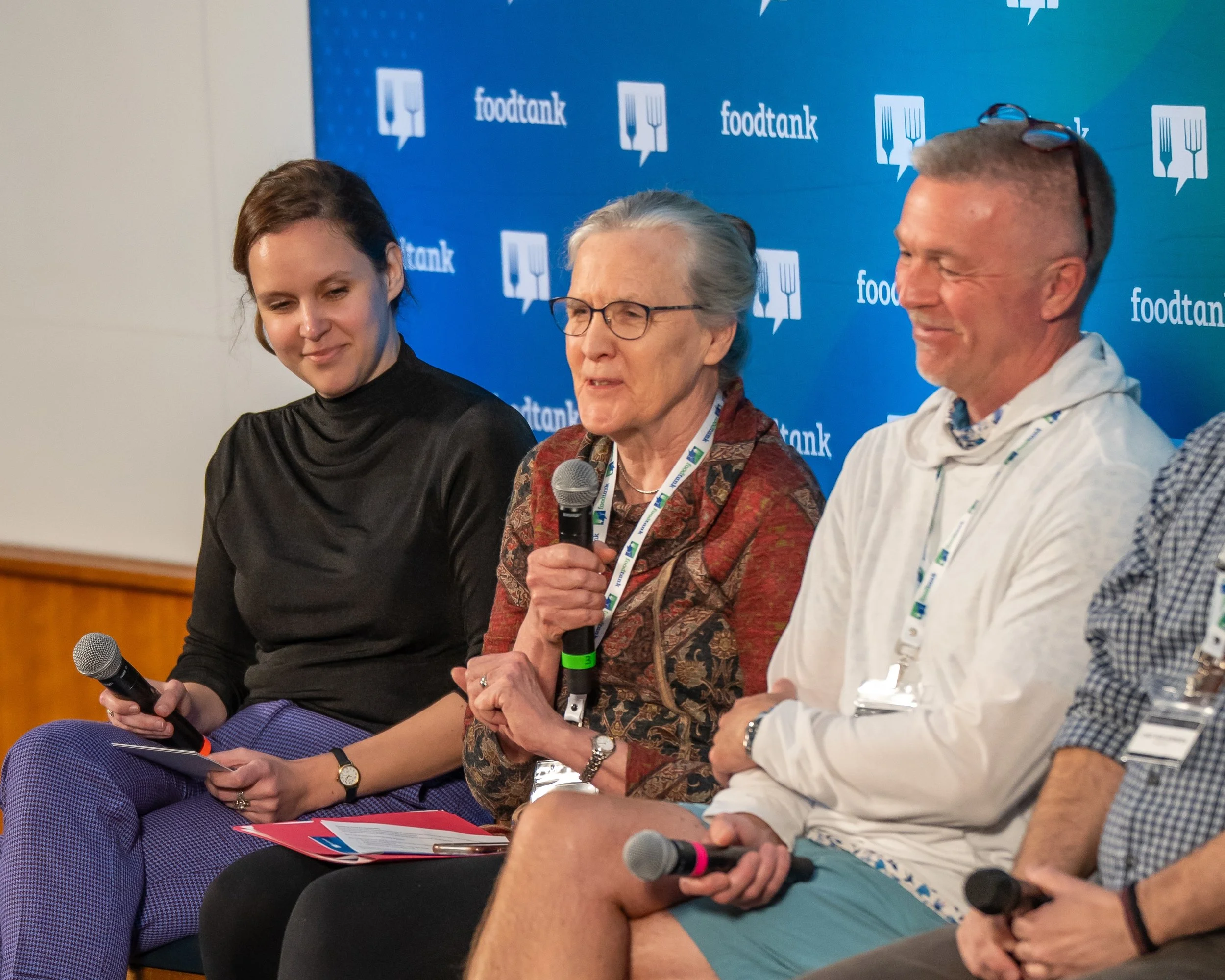
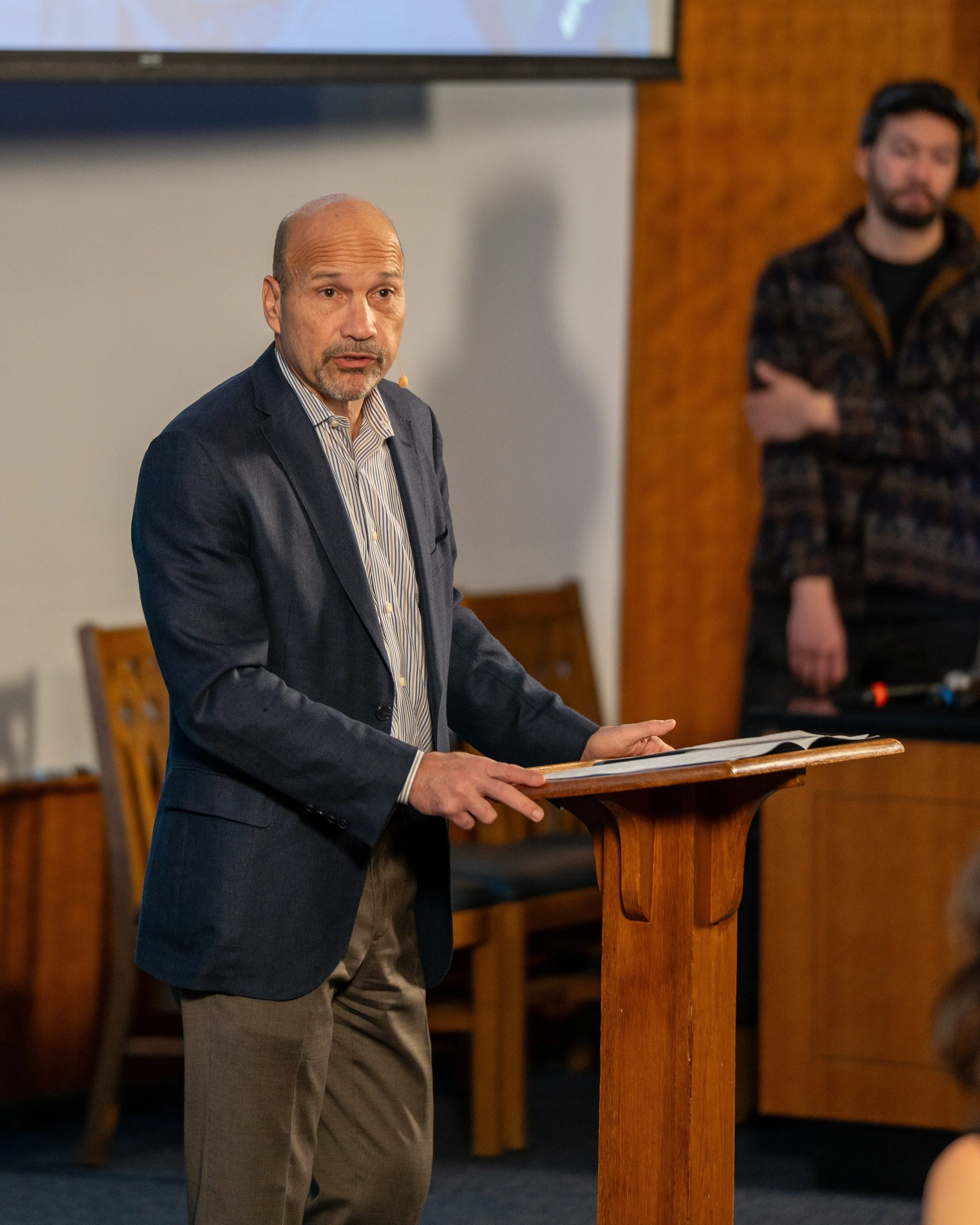
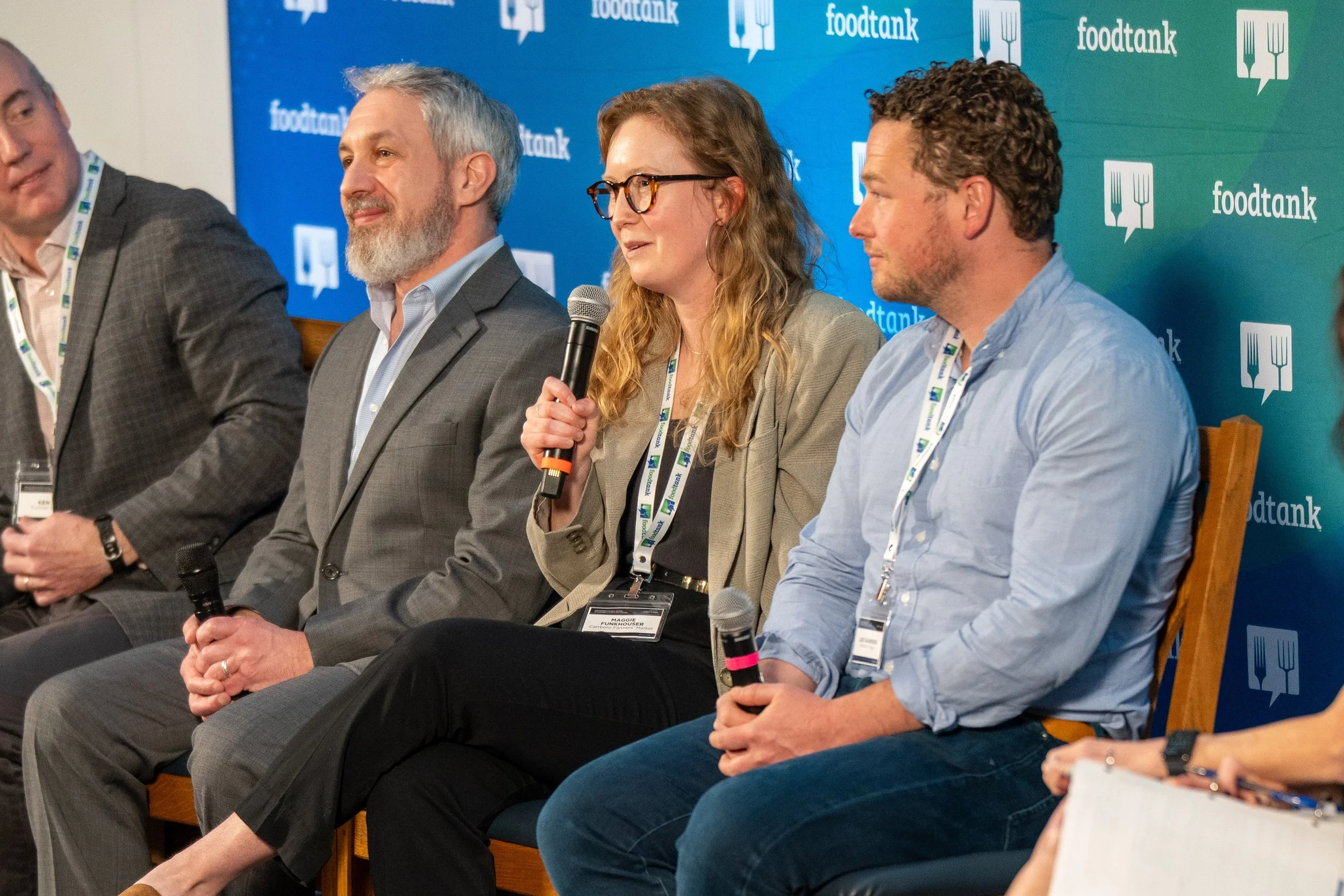
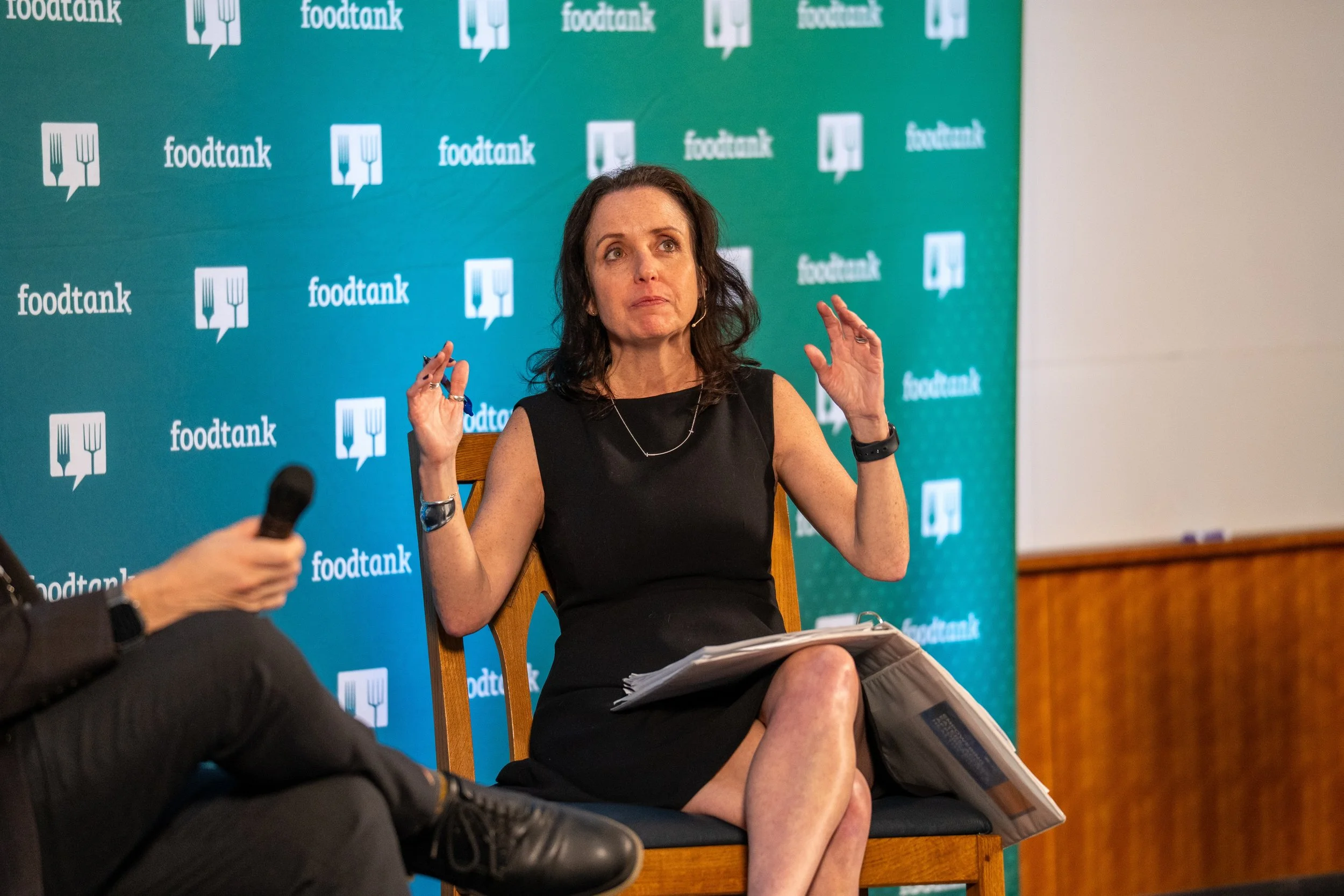
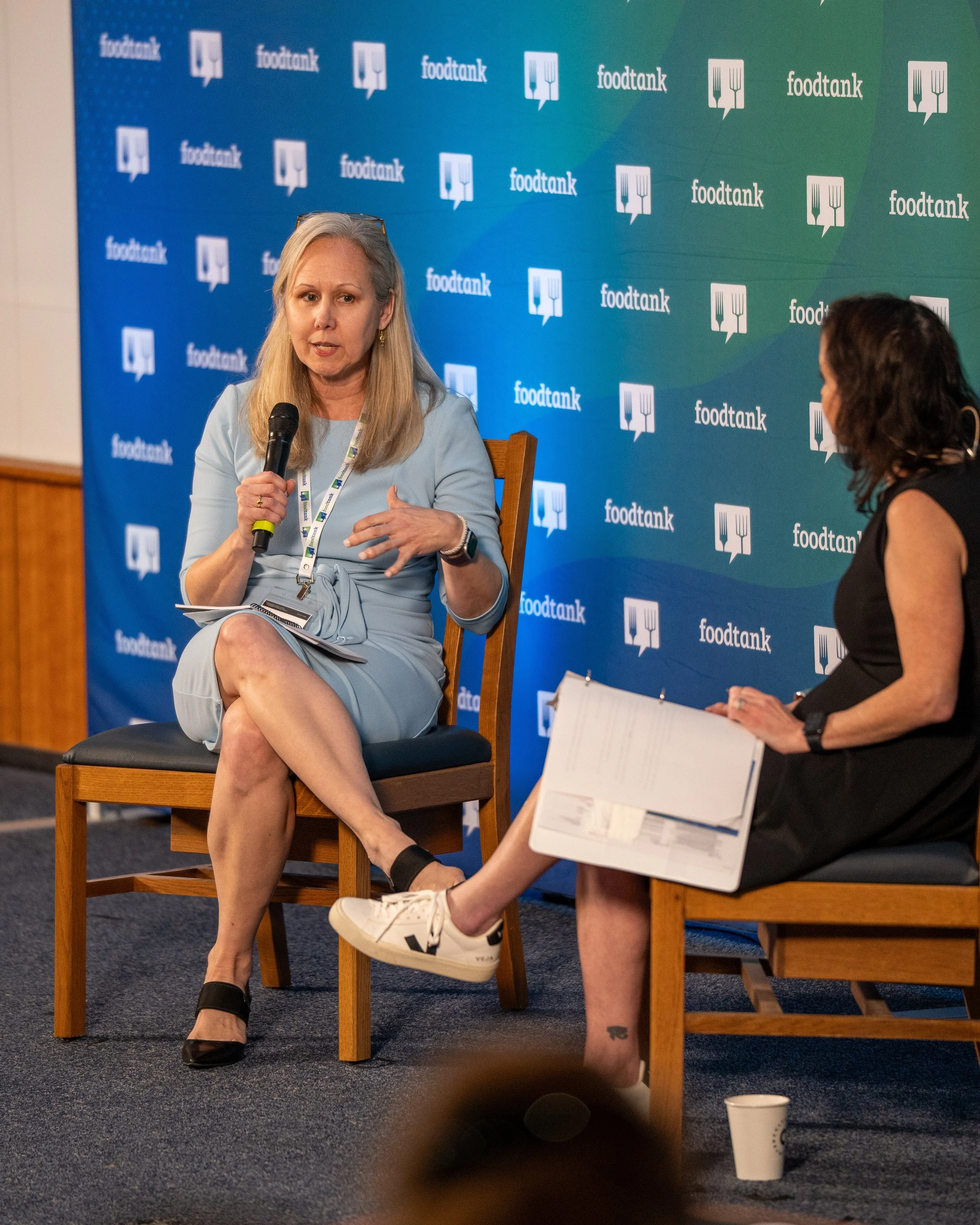
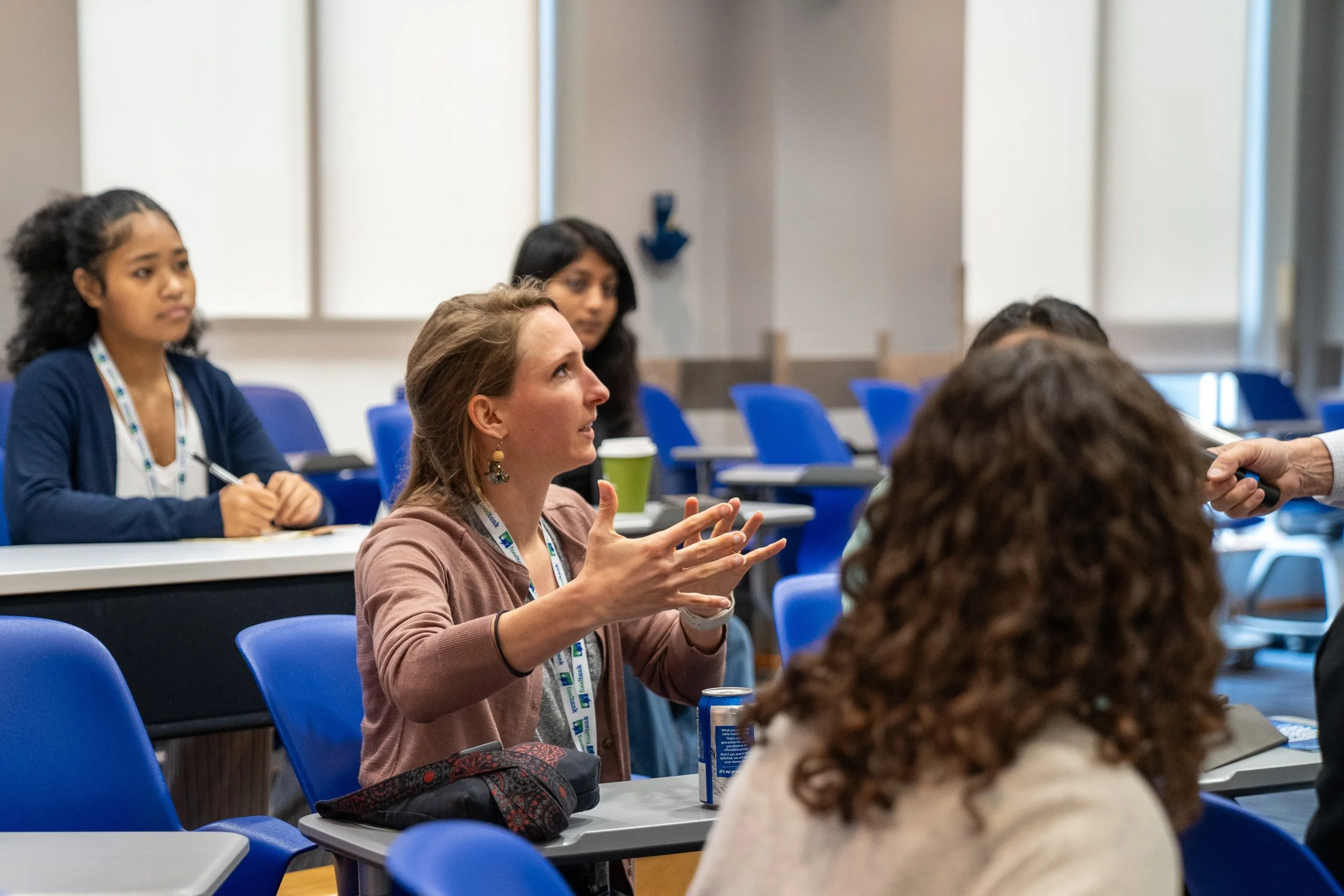
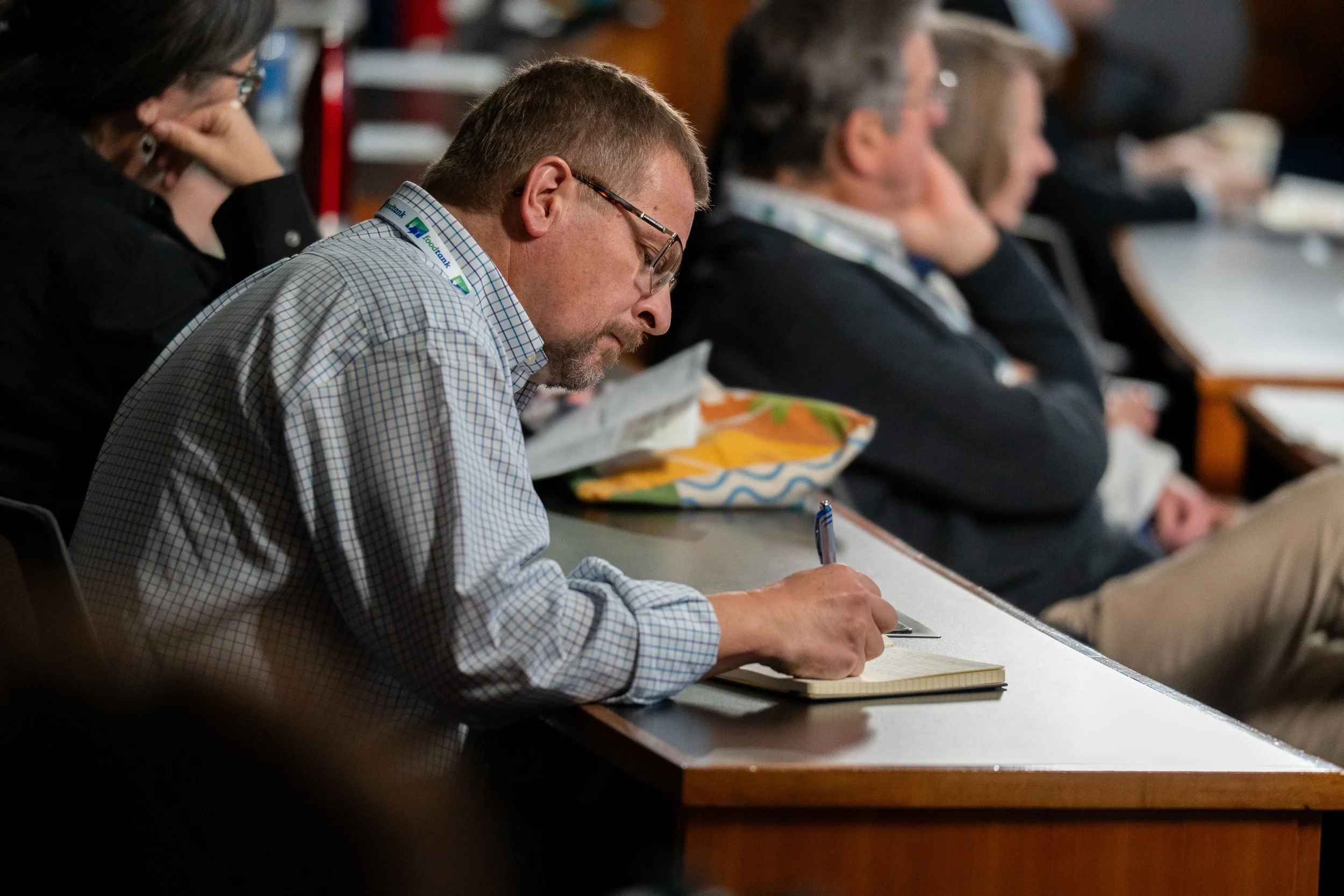
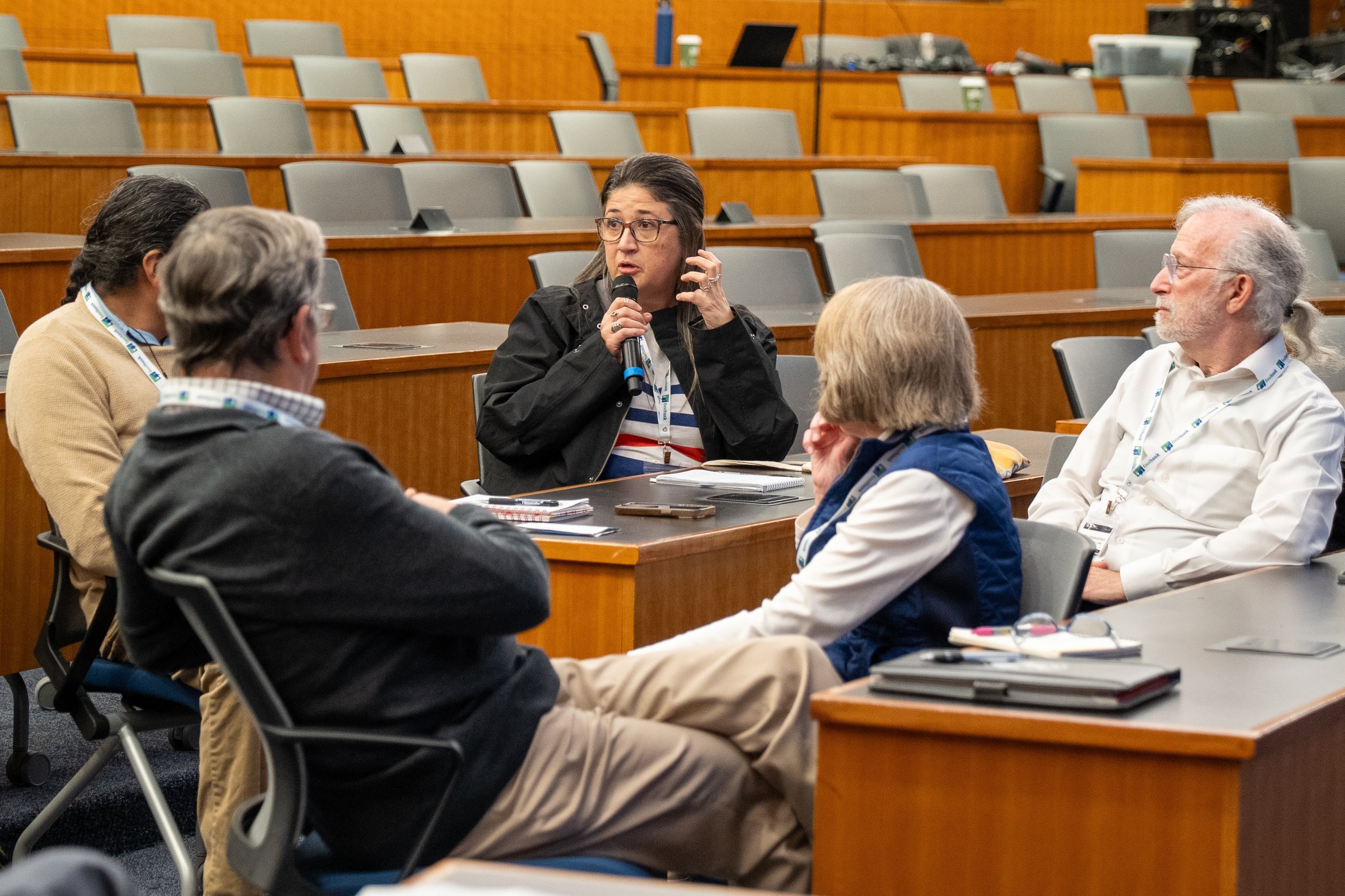
One example is my photography work at a Food Tank conference in Durham, North Carolina.
Conference photography requires balancing multiple priorities throughout the event, including speakers, panel discussions, audience engagement, and the atmosphere of the gathering.
For an event like this, some of the most valuable images include:
Panel discussions: Capturing speakers and moderators during meaningful exchanges.
Speaker portraits: Photographing presenters in a way that highlights their presence and professionalism.
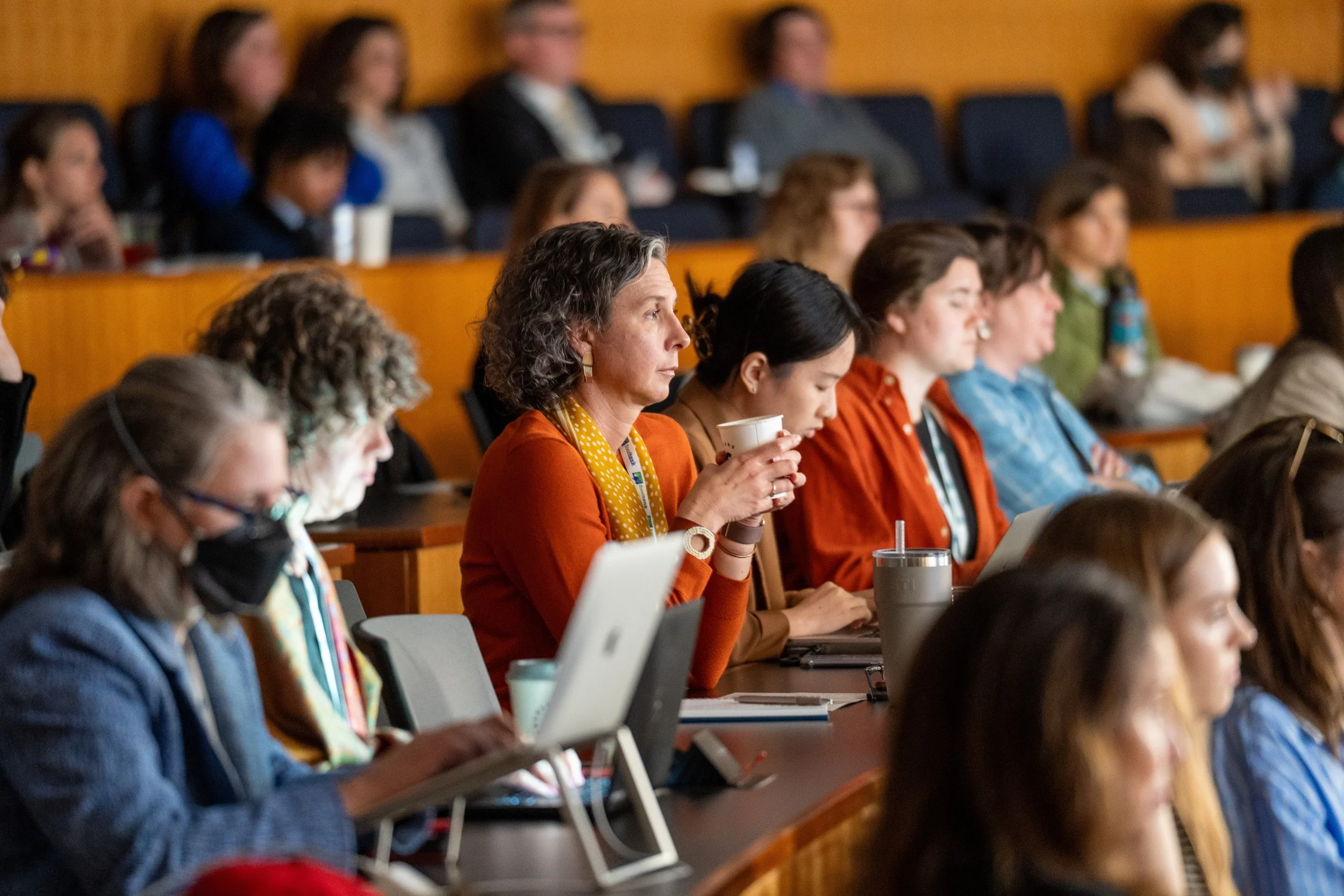
Audience engagement: Documenting attendees listening, reacting, and participating.
Wide conference views: Showing the scale and atmosphere of the event.
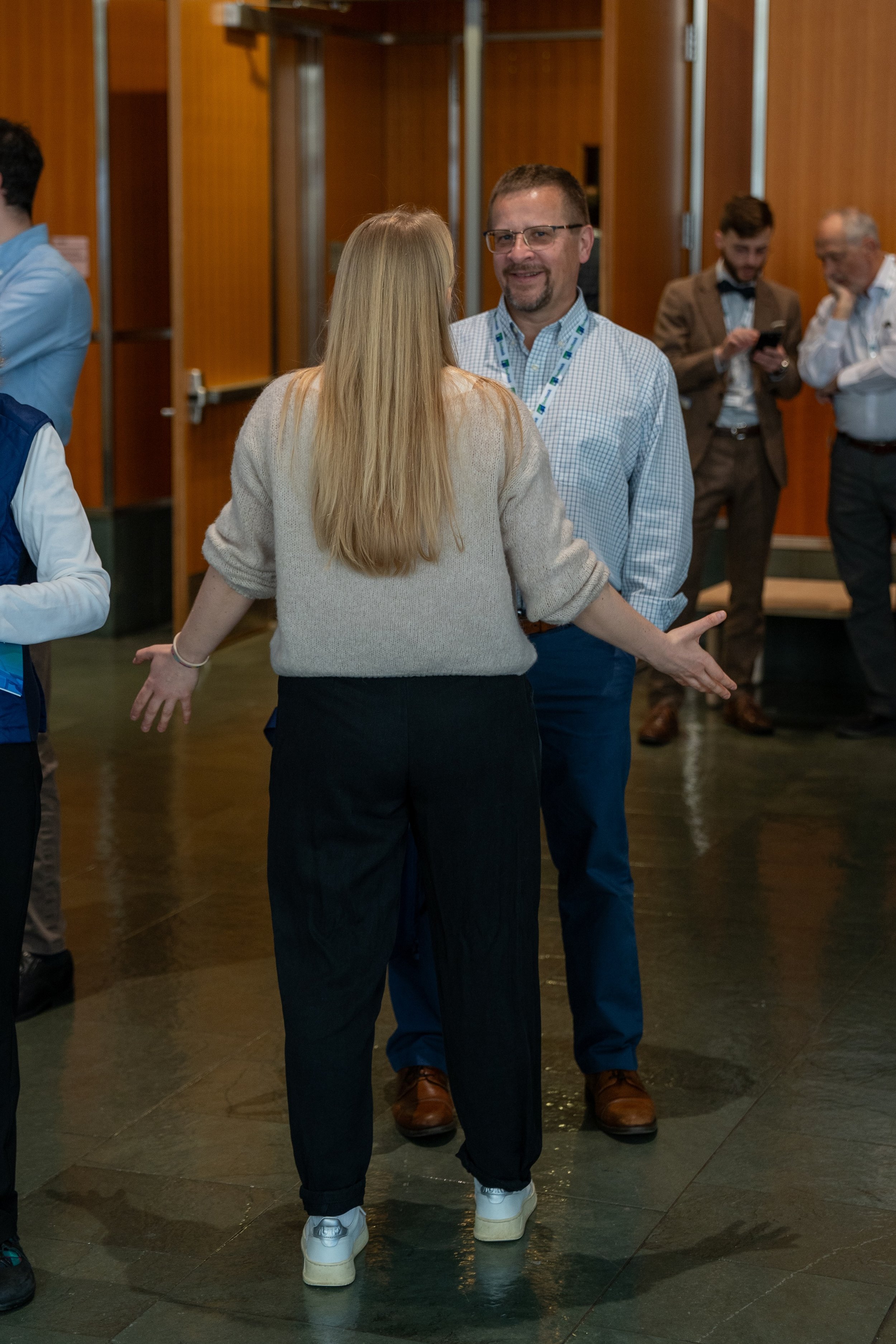
Candid interactions: Capturing natural moments that help tell the event's story.
These different types of photographs give event organizers a versatile collection of images for marketing, communications, and future event promotion.
You can see more examples in my blog post about corporate conference photography in Durham and in my event photography portfolio.
6. Questions to Ask Before Hiring a Corporate Event Photographer
Choosing the right photographer involves more than comparing prices.
Before booking, consider asking:
Have you photographed corporate conferences or business events before?
Corporate events require a different approach than studio portraits or traditional family photography. Experience with speakers, audiences, and fast-changing schedules is valuable.
How do you handle challenging indoor lighting?
Ask about experience photographing conference rooms, stages, and evening receptions.
Can you accommodate a detailed shot list?
Your photographer should be comfortable working from an agenda while also capturing spontaneous moments.
What is included in the photography coverage?
Clarify the number of hours, image delivery expectations, editing, and any additional services.
How can our organization use the final photographs?
Discuss usage rights for your website, social media, advertising, internal communications, and press materials.
What happens if the event schedule changes?
Flexibility is especially important for conferences and multi-session events.
7. Final Corporate Event Photography Checklist
Before your next corporate event, use this quick checklist to prepare.
Two to Four Weeks Before the Event
Select and book your event photographer.
Share the event location, schedule, and expected attendance.
Discuss photography priorities and intended image usage.
Identify key speakers, executives, sponsors, and VIPs.
Review lighting conditions and potential photography locations.
One Week Before the Event
Finalize the photography shot list.
Share an updated agenda and room assignments.
Confirm any scheduled group photographs.
Provide a contact person for the photographer.
Discuss any venue restrictions or photography permissions.
On Event Day
Allow time for venue and branding photographs.
Notify the photographer of schedule changes.
Identify key attendees and important moments.
Keep group photography sessions organized.
Give your photographer room to capture candid interactions.
After the Event
Confirm image delivery expectations.
Select photographs for event recaps and social media.
Share approved images with internal stakeholders.
Save your strongest photographs for future marketing.
Credit your photographer when appropriate.
Professional Corporate Event Photography in Raleigh & Durham
A well-planned photography strategy helps you get more value from your corporate event.
From keynote presentations and panel discussions to networking receptions and company celebrations, professional event photography creates a visual record of the moments that matter.
I'm the photographer behind Lomax Photo, providing professional event photography services throughout Raleigh, Durham, Cary, Chapel Hill, and the surrounding Triangle area.
Whether you're planning a corporate conference, business networking event, awards ceremony, or company gathering, I'd love to help capture it.
Planning an upcoming corporate event?
Explore my Raleigh event photography services or contact Lomax Photo to discuss your photography needs.
